
In emergencies, every moment matters. Recent advancements in alarm data transmission are dramatically improving the speed and accuracy of emergency response, making a profound difference in outcomes for both lives and property. These innovations streamline the dispatch process, giving emergency teams the critical information they need in real time. For instance, https://www.quickresponse.net/monitoring-solutions/asap-to-psap/ demonstrates how digital solutions can accelerate and optimize the flow of alarm data directly to public safety answering points.
By connecting alarm monitoring centers directly with emergency communication centers, digital transmission eliminates delays caused by manual processing. This shift represents not just an upgrade in technology, but a foundational change in how emergency responses are coordinated. As agencies adopt digital solutions, response times decrease, errors drop, and collaboration improves, benefiting everyone who relies on emergency services.
The Shift from Traditional to Digital Dispatch
Until recently, the standard approach for dispatching emergency services involved phone calls from alarm monitoring centers to emergency communication centers. While effective, this method relied on human operators, who relayed critical information during potentially stressful circumstances. These calls could take several minutes and were susceptible to miscommunication, delays, and even data loss.
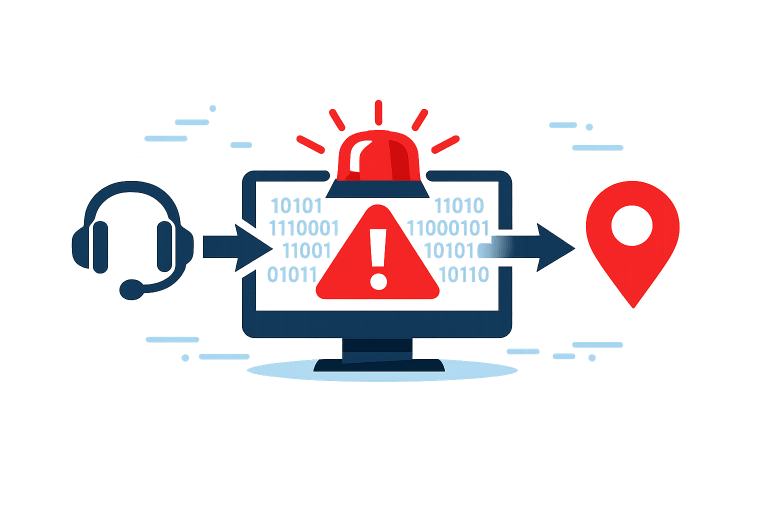
Digital dispatch systems have changed the landscape. With platforms designed for direct, electronic data transfer, alarm information now reaches emergency centers in a matter of seconds rather than minutes. This transition not only accelerates response but also leads to far greater accuracy. By reducing the number of steps and touchpoints in the process.
The switch to digital protocols allows emergency centers to receive standardized, comprehensive data packages. These include precise location information, alarm descriptions, and contact details. This reduces uncertainty and enables first responders to act with greater confidence and speed. Many of these systems are compliant with industry standards, such as ASAP-to-PSAP, which further ensures interoperability across agencies.
Real-World Implementations and Their Impact
Digital alarm data transmission systems are not theoretical. They are actively saving time and improving outcomes in communities around the country. Several organizations stand out as leaders in this arena:
- Emergency24 and Intrado Partnership: By connecting with Intrado’s Emergency Data Broker, Emergency24 can send alarm data to public safety answering points in 15 to 30 seconds. This is a significant improvement over the industry’s prior average of 2.5 minutes for dispatch through traditional phone calls. Digital dispatch eliminates much of the room for error during information transfer, streamlining the process from the moment an alarm is triggered to when help is on the way.
- CSA Monitoring’s Direct-to-911 Connection: CSA Monitoring uses a direct connection to emergency communication centers, reducing alarm-processing times by more than two minutes. This improvement is especially valuable during life-threatening events, such as fires, where every second counts. Swift dispatch can prevent serious injuries, save lives, and limit the extent of property loss.
Benefits of Faster Alarm Data Transmission
Incorporating digital alarm data transmission systems offers several substantial advantages:
- Reduced Response Times: Automating the relay of alarm information leads to more immediate notifications to first responders, improving the chances of successful interventions.
- Enhanced Accuracy: Automated systems remove the risk of misheard or misstated details during a stressful call, ensuring complete and correct information passes to the proper authority.
- Improved Coordination: Integrated networks allow alarm companies and emergency centers to work together efficiently, even across multiple jurisdictions.
The positive impact is not just theoretical. Studies have shown that reducing response time by even one minute can significantly improve survival rates in critical emergencies like cardiac arrest or structure fires. The American Heart Association reports that for every minute without intervention in cardiac arrest, survival rates decrease by roughly 10 percent. Faster notification translates directly to improved outcomes.
Challenges and Considerations
Despite the promise, rolling out digital alarm data transmission nationwide requires overcoming significant challenges:
- Technological Integration: Emergency communication systems vary widely in their technical infrastructure and interoperability. Ensuring seamless data transmission across these diverse platforms takes careful planning and investment.
- Training and Adaptation: Dispatchers and first responders must be trained on new software, data interfaces, and operating procedures, which involves a learning curve and resource allocation.
- Data Security: Digital alarm transmission involves sensitive information, like locations and personal details. Robust cybersecurity measures are critical for maintaining trust and protecting privacy.
The Future of Emergency Response
As digital alarm transmission continues to evolve, emerging technologies promise to enhance the capabilities of first responders even further. Innovations like real-time video feeds from alarmed sites, predictive data analytics to anticipate emergencies, and geolocation services can greatly improve situational awareness and preparedness.
With each improvement, the core objective remains the same: to provide the fastest, most accurate emergency response possible. Agencies that embrace technological advancements set new standards for public safety, inspiring others to follow suit and raise the bar for emergency service worldwide.
Conclusion
The integration of faster alarm data transmission into emergency protocols represents a game-changing development in public safety. By reducing response times and increasing reliability, these systems offer life-saving benefits and greater peace of mind for individuals and communities. As digital transformation continues, the potential to save lives and protect property will only grow, underscoring the importance of continued innovation in emergency communication.