
Alloy steels are indispensable across a wide range of industries due to their exceptional strength, durability, and resistance to challenging environmental conditions. By integrating elements such as chromium, molybdenum, nickel, and vanadium, manufacturers can tailor these materials for specialized applications where standard carbon steels might fall short. Understanding the diversity and practical use cases of alloy steels is key for engineers and industry professionals seeking reliable, high-performance metals. For more details about alloy steels and their offerings, visit Specialty Steel alloy steel.
The broad spectrum of alloy steel grades allows for precise matching of a material’s properties to the demands of its intended environment. This adaptability makes alloy steels essential not just in automotive or aerospace sectors, but also in construction, oil and gas, and many manufacturing environments. Selecting the right alloy steel ensures superior performance while optimizing the longevity and safety of critical components.
Crucial decisions about which alloy steel to use hinge on both technical parameters and economic imperatives. These decisions require a close understanding of the fundamental properties of each grade as well as the nuances of how they behave under stress and exposure to harsh conditions. From high-wear gears and crankshafts to aerospace components that require a strong weight-to-strength ratio, alloy steels offer a customizable solution to many engineering challenges.
With continual innovations in alloy formulation and heat treatment, today’s alloy steels are more resilient and versatile than ever. This flexibility in both processing and end use increases their advantages over other material choices, particularly in demanding sectors where they must perfectly balance cost, performance, and safety.
Introduction to Alloy Steels
Alloy steels are created when carbon steel is alloyed with additional elements to achieve improved mechanical properties, workability, or resistance to environmental conditions. These alloys are divided into two main categories: low alloy steels, which contain up to four percent of alloying elements, and high alloy steels, which have more than four percent. The decision between these depends on the specific needs of the project. Commonly added elements like chromium deliver corrosion resistance and hardness, molybdenum boosts toughness and strength at elevated temperatures, while nickel enhances ductility and impact strength. Vanadium contributes to grain refinement and improves fatigue resistance.
Common Alloy Steel Grades and Their Properties
Industry relies on many alloy steel grades, each one tailored for property profiles that suit unique applications.
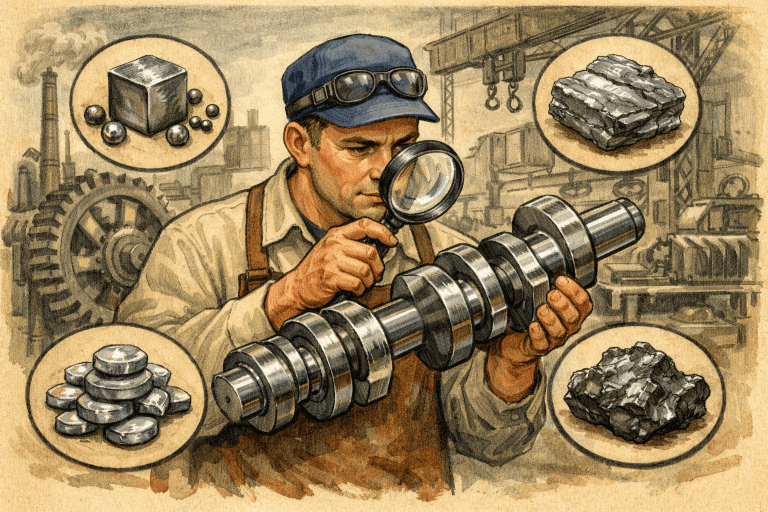
- AISI 4140 (Chromium-Molybdenum Steel): This steel is well known for its impressive combination of hardness, toughness, and resistance to wear. It is a top choice for the automotive and aerospace industries, where durability and reliable performance are crucial. Machinability is also a strong point, facilitating the manufacturing of gears and other high-stress parts.
- AISI 4340 (Nickel-Chromium-Molybdenum Steel): Engineers prize AISI 4340 for its incredible toughness and ability to resist wear and heavy loads. Its strength makes it indispensable for parts such as aircraft landing gear, automotive crankshafts, and other heavy-duty machinery subjected to repeated loading.
- AISI 8620 (Nickel-Chromium-Molybdenum Steel): Manufacturers frequently use this grade where they need hard, wear-resistant surfaces along with a tough core, making it ideal for gears, camshafts, and similar components.
For a comprehensive overview of industrial steel grades, review the resources provided by the AZoM materials science portal, which offers in-depth technical insight into alloy compositions and applications.
Industrial Applications of Alloy Steel Grades
Alloy steels provide vital functions in many major industries due to their tailored properties:
- Automotive Industry: High-stress parts like gears, crankshafts, and camshafts benefit from the enhanced hardness and fatigue resistance provided by grades like AISI 4140 and 4340, helping vehicles meet stringent safety and reliability requirements.
- Aerospace Industry: Structural and mechanical applications in aircraft, including landing gear and critical engine parts, leverage the outstanding combination of weight savings and strength provided by select grades. These attributes are vital for both safety and fuel efficiency.
- Construction Industry: Bridges, skyscrapers, and other critical infrastructure often rely on alloy steels for their superior load-bearing capability, weatherability, and longevity. Alloy steels help structures withstand both environmental stresses and daily wear over decades of service.
- Oil and Gas Industry: In this sector, manufacturers use alloy steels for components such as drill collars, pipelines, and downhole tools, which need to resist corrosion, abrasion, and extreme pressures. These properties are critical for safe and efficient oil and gas extraction.
To explore how alloy steels are continually innovated for sector-specific needs, the Xometry guide on alloy steels provides practical case studies and emerging applications.
Factors Influencing Alloy Steel Selection
Choosing the correct alloy steel for a project involves a detailed evaluation. Key factors include:
- Mechanical Properties: The end-use requirements for strength, stiffness, toughness, and hardness guide both the choice of base alloy and the heat treatment it receives to optimize these qualities.
- Environmental Conditions: If a component will face corrosive substances, extreme temperatures, or cyclical weathering, engineers must match these exposures to an alloy steel variant with suitable resistance and reliability characteristics.
- Manufacturing Processes: Some alloys perform better in specific fabrication methods such as machining, welding, or cold forming. Considerations in the selection process take into account both final product performance and production costs.
- Cost Considerations: Achieving the right balance between up-front material expenses and long-term value is essential. Sometimes a higher-cost alloy yields greater savings over a component’s lifecycle by decreasing maintenance and downtime.
Conclusion
A complete understanding of alloy steel grades and their specific benefits is essential for engineers and decision-makers focused on performance, safety, and efficiency. By carefully weighing the unique qualities of each alloy, as well as anticipating operational demands and cost issues, industries can ensure that their critical components sustain optimal operation, value, and reliability for years to come.