

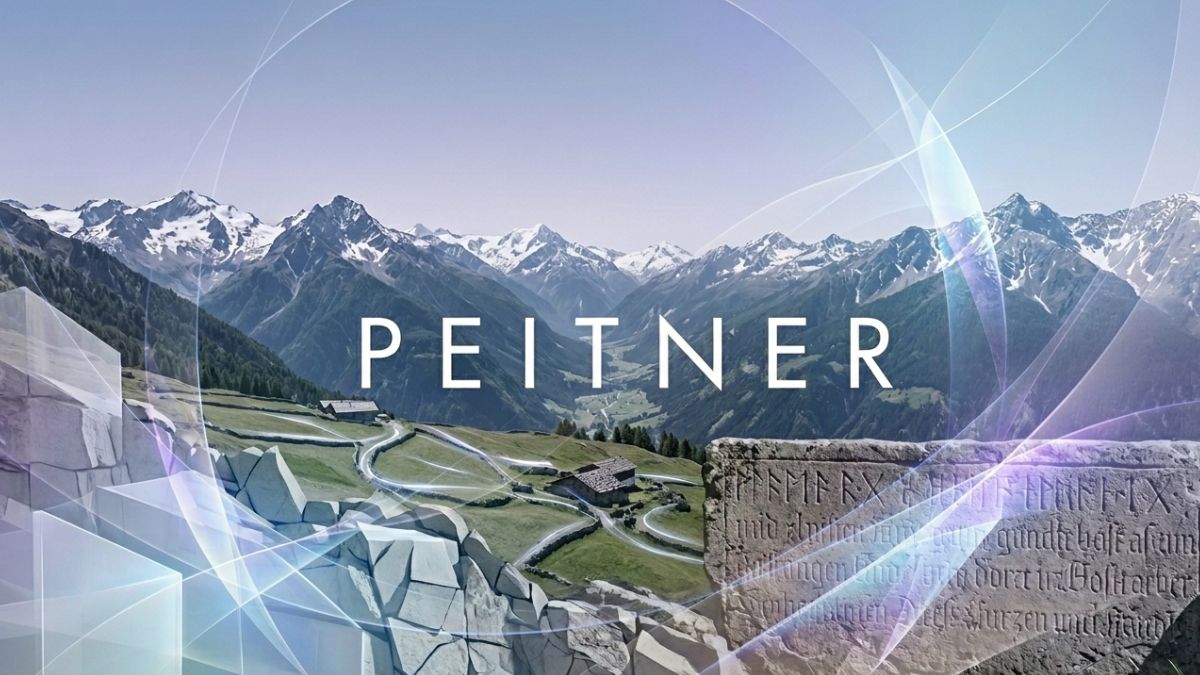
Have you ever come across a surname that feels rare yet carries an unmistakable weight of history? Peitner is one of those names. It is not a surname you encounter every day, yet the moment you dig into its roots, you find yourself walking through Alpine valleys, medieval communities, and centuries of European naming tradition.
Whether you carry the name, are researching your family tree, or simply stumbled upon it out of curiosity, this guide is for you. Below, we explore everything about Peitner: its linguistic meaning, geographic origins, cultural importance, spelling variations, notable individuals, and its place in the modern world.
What Is Peitner
Peitner is a rare Germanic surname with deep roots in Central Europe, particularly in Alpine regions such as Austria, Bavaria (Germany), and South Tyrol (northern Italy). It belongs to a category of European surnames known as topographic surnames — names that arose from a person’s relationship to the land around them.
In simple terms, the earliest person called Peitner likely lived near a prominent geographic feature: a hill, ridge, slope, or elevated terrain. Over generations, that practical description became a permanent family identity.
Quick Facts About the Peitner Surname
| Feature | Details |
|---|---|
| Origin | Germanic / Central European |
| Type | Topographic or occupational surname |
| Primary Regions | Austria, Bavaria, South Tyrol |
| Most Common Variant | Peintner |
| Rarity | Rare globally; distinctive in Alpine Europe |
| Language Root | Middle High German |
The Meaning of Peitner
To understand Peitner, you have to step back into medieval Europe, where surnames were not inherited traditions but practical labels. Communities were small. First names alone were not enough to tell one person from another. So people began attaching descriptors — and those descriptors stuck for generations.
The most widely accepted interpretation of Peitner connects it to the Middle High German term “Peunt”, which referred to enclosed or managed land. This gives the surname a dual character: it is both a topographic identifier (someone who lived near a defined piece of land) and potentially an occupational one (someone who worked or owned such land).
A second, related interpretation points to Alpine geography directly — describing someone who lived near a slope, ridge, or mountain spur. In mountainous regions where terrain was impossible to ignore, this kind of naming was completely natural.
A third, less certain theory suggests the name may carry occupational roots in metalworking or craft trades, which were vital to small mountain economies in the medieval period.
Why the Exact Meaning Is Layered
Unlike common surnames with one clear definition, Peitner sits at the intersection of geography, land, and trade. Its meaning was never written down formally — it evolved organically through spoken dialect, local custom, and practical need. That complexity is part of what makes the name so interesting to genealogists and historians today.
Where Did Peitner Come From?
The surname Peitner is most strongly associated with three historically connected regions of Alpine Europe:
Austria
Tyrol, in western Austria, is considered the region most closely linked to the Peitner surname. The mountainous landscape, tight-knit communities, and centuries-old German-speaking culture created ideal conditions for geography-based surnames to form and persist. Church records, land registers, and census documents from Tyrol contain some of the earliest mentions of the Peitner name and its variant, Peintner.
Bavaria, Germany
Bavaria shares deep cultural, religious, and linguistic ties with Austria. Trade routes, marriages, and migration between the two regions allowed surnames like Peitner to cross what are today national borders. The name appears in Bavarian records as well, often in communities near the Austrian frontier.
South Tyrol, Italy
Now part of northern Italy, South Tyrol has been home to German-speaking communities for centuries. Despite being politically Italian, the region retains a strong Germanic cultural identity. Families in South Tyrol, including those with the surname Peitner, maintained naming traditions rooted in Alpine German dialects. The Puster Valley and Eisack Valley — key Alpine trade corridors — are among the areas where surname continuity was historically strongest.
Peitner vs. Peintner: Understanding the Spelling Variation
One of the most common questions around this surname is: What is the difference between Peitner and Peintner?
The short answer: they are the same family name, recorded differently across time and region.
Before standardised spelling conventions, names were written the way they sounded. Scribes in different towns, speaking slightly different dialects, recorded the same name with minor phonetic differences. Peintner appears more frequently in historical documents and is the more common modern form, particularly in Austria and South Tyrol.
- Peitner: older or alternate spelling, found in some registers
- Peintner: the dominant contemporary form in Alpine records
- Other minor variants exist based on regional dialect differences
These spelling differences do not indicate separate family lines. They simply reflect how names evolved before the age of standardised documentation.
Peitner in History
To fully appreciate the Peitner surname, it helps to understand the broader story of European surname formation.
Before the 11th century, most people in Central Europe used only a single given name. As populations grew and towns became more complex, simple first names were no longer enough to distinguish individuals. Surnames began to emerge — first among nobility, and then gradually among common people across the 12th to 15th centuries.
Surnames took four main forms:
- Topographic: based on where someone lived (hill, river, field)
- Occupational: based on what someone did (smith, miller, carpenter)
- Patronymic: based on a father’s name
- Descriptive: based on a physical characteristic
Peitner fits primarily into the first category, with possible overlap into the second. In Alpine communities, geography shaped everything — where you built your home, how you farmed, which paths you walked each day. It was natural for the landscape to become a family’s lasting identity.
Notable Individuals Associated with the Peitner/Peintner Name
Although rare as a surname, Peitner and its variant Peintner have appeared in several notable fields:
- Max Peintner: An Austrian architect and artist recognised for works that critically examine the tension between industrialisation and natural landscapes. His drawings remain influential in European art circles.
- Elmar Peintner: A contemporary Austrian artist from Tyrol, known for painting and graphic art that explores philosophical and cultural themes. He has represented his region in international exhibitions.
- David Peintner: A modern entrepreneur and founder of a social media marketing agency, demonstrating that the surname continues into contemporary business and digital industries.
- Tim Peitner: Named 2024 Coach of the Year by the Greater Wichita YMCA in the United States, highlighting the name’s presence in the American diaspora and youth development communities.
Peitner in Genealogy: Tracing Your Family Roots
For those researching the Peitner family tree, the name’s rarity is actually an advantage. Fewer instances mean more precise matches when searching records.
Where to Search for Peitner Records
- FamilySearch: Free access to church records, birth registries, and census data from Austria and Germany
- Ancestry.com: US census records and immigration records document Peitner families who migrated to America
- MyHeritage: Broad European genealogy databases with Alpine coverage
- Local Austrian parish records: particularly in Tyrol, Vorarlberg, and Salzburg
Historical census data shows that at least 22 US census records reference the Peitner surname, alongside military records — suggesting meaningful migration from Alpine Europe to North America during the 19th and early 20th centuries.
Why the Peitner Surname Still Matters Today
In an age where globalisation has flattened many cultural distinctions, rare surnames like Peitner serve an important purpose. They are living threads connecting modern individuals to specific landscapes, communities, and ways of life that would otherwise be forgotten.
For people who bear the name, it is more than a label. It is a reminder of ancestors who lived close to the land, who worked in mountain communities, and whose identities were inseparable from the geography around them.
For genealogists, historians, and cultural researchers, the Peitner surname offers a precise window into Alpine European naming traditions, migration patterns, and the evolution of Germanic language over centuries.
And in the digital age, unique surnames like Peitner have found new relevance — as search terms, personal brand identifiers, and markers of cultural distinction in a world that increasingly values authenticity and origin stories.
Conclusion
The surname Peitner is more than a collection of letters. It is a compact piece of European history — born in the mountains of Central Europe, shaped by geography and craft, passed down through generations, and carried across continents by families who left the Alps but kept their roots.
Whether you encounter it in an Austrian parish registry, a Bavarian land record, an American census, or a modern entrepreneur’s business card, Peitner tells a story worth knowing. Its meaning may be layered, and its spelling variable, but its identity is clear: a name forged from the land, built to last.
If you carry the Peitner name or are tracing your family’s Alpine roots, the records are there — waiting to be found.
Frequently Asked Questions (FAQs)
What does the surname Peitner mean?
Peitner is believed to mean someone who lived near an enclosed piece of land, a slope, or elevated terrain, rooted in the Middle High German word Peunt and Alpine geography.
Where does the Peitner surname originate?
It originates from Central Europe, specifically Alpine regions including Austria (particularly Tyrol), Bavaria in Germany, and South Tyrol in northern Italy.
Is Peitner a common surname?
No. Peitner is a rare surname, found most consistently in specific Alpine communities and among diaspora communities in the United States and other countries.
What is the difference between Peitner and Peintner?
They are spelling variations of the same surname. Peintner is the more common modern form, while Peitner appears in older or alternate records. Both trace to the same Alpine origin.
How can I research the Peitner family history?
Start with genealogy platforms like FamilySearch, Ancestry.com, and MyHeritage. Austrian parish records, particularly from Tyrol and South Tyrol, are valuable primary sources for tracing Peitner family roots.
Are there famous people with the Peitner surname?
Yes, notable individuals include Austrian artist Max Peintner, contemporary artist Elmar Peintner, entrepreneur David Peintner, and Tim Peitner, named the 2024 YMCA Coach of the Year in Wichita, Kansas.
Is Peitner an occupational surname?
It may have partial occupational roots, possibly connected to metalworking or craft trades in Alpine communities, though the primary interpretation is topographic (land-based).


, and South Tyrol (northern Italy). It belongs to a category of European surnames known as topographic surnames)