

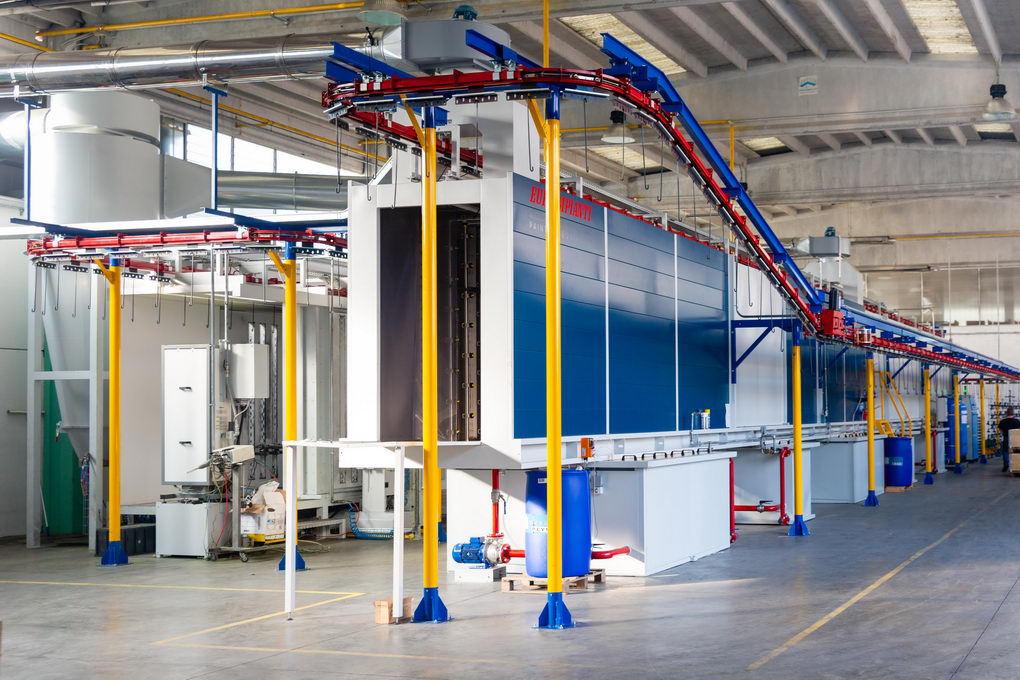
The hum of precision equipment, the clean sweep of a perfectly even coat—there’s an undeniable satisfaction in watching a high-performance finishing process at work. For professional coaters, the choice to invest in an automated powder coating machine isn’t just about speed; it’s about getting consistent, repeatable, and top-tier results while keeping operations efficient. These systems bring together engineering and automation in ways that make the final finish as flawless as it is durable.
Consistent Film Thickness Achieved Through Controlled Spray Application
One of the defining advantages of an automated powder coating machine is its ability to deliver uniform film thickness across every surface. By using programmable controls, the spray pattern, flow rate, and electrostatic charge are kept consistent from the first pass to the last. This precision ensures that the coating meets both visual and performance standards, eliminating variations that can lead to rework or rejects.
In addition to appearance, consistent film thickness is essential for functional performance, such as corrosion resistance or wear protection. Manual application can struggle with tight tolerances, but automated spray systems maintain accuracy even over long production runs. The result is a finish that meets specification every time—whether the job involves a single part or thousands.
Reduced Material Waste from Targeted Powder Delivery Systems
Powder waste can quickly cut into profitability, but automated systems are designed to minimize it. A well-configured powder coating machine uses targeted delivery methods that direct powder exactly where it’s needed and nowhere else. Sophisticated sensors and airflow controls ensure that the powder adheres to the part efficiently, reducing overspray and reclaiming any excess for reuse.
This efficiency isn’t just about cost savings—it also reduces environmental impact. Less waste means fewer raw materials consumed, and with reclamation systems in place, operators can recycle a significant portion of unused powder. Over time, this optimization leads to lower operating costs while maintaining high-quality finishes.
Higher Throughput Capacity Without Compromising Finish Quality
Automated systems can process a high volume of parts in a fraction of the time it would take manually. The combination of synchronized conveyors, spray guns, and curing systems means each stage of the process flows seamlessly into the next. This allows coaters to meet tight deadlines without sacrificing precision or durability.
What sets an advanced powder coating machine apart is its ability to maintain quality at speed. Even at higher line speeds, spray patterns remain controlled, and curing times are precisely managed. This keeps production lines moving while ensuring every coated part meets the same standard as the first.
Uniform Coverage on Complex Geometries with Programmable Spray Paths
Parts with curves, recesses, and intricate shapes present a challenge for manual application. Automated coating systems solve this with programmable spray paths that guide the powder coating machine to every surface—front, back, and every angle in between. This ensures even coverage in areas that might otherwise be missed or uneven.
The ability to store and recall these spray programs is another major advantage. Once the path is optimized for a particular part, the machine can repeat it as often as needed, guaranteeing consistent coverage on complex geometries batch after batch. This not only improves quality but also reduces time spent on setup for repeat jobs.
Lower Labor Demands Due to Integrated Handling and Coating Sequences
With automated equipment, the powder coating process becomes less labor-intensive. Many modern systems incorporate integrated handling—loading, spraying, and unloading can all be managed with minimal operator intervention. This allows skilled workers to focus on quality control, maintenance, and other value-adding tasks instead of repetitive manual spraying.
Reducing labor demands doesn’t just cut costs—it also improves workplace safety. Less direct handling of parts during the coating process means fewer opportunities for injury or contamination, contributing to a safer and more efficient production environment.
Repeatable Curing Results from Synchronized Oven and Spray Booth Operation
Consistent curing is just as important as the coating itself. Automated powder coating machines often integrate spray booths with curing ovens, creating a synchronized workflow that ensures each part receives the exact cure time and temperature required. This prevents under-curing, which can reduce durability, and over-curing, which can damage the finish.
By programming oven settings directly into the system’s control logic, coaters can guarantee that every batch is treated the same way. This repeatability is key for meeting customer specifications and maintaining a reliable reputation in competitive markets.
Enhanced Contamination Control Using Enclosed, Filtered Application Zones
Contamination can ruin an otherwise perfect finish, which is why enclosed, filtered application zones are a major benefit. In an automated powder coating machine, the spray environment is controlled with filtration systems that remove dust, fibers, and airborne particles before they can settle on the part.
This controlled environment not only improves surface quality but also reduces the need for costly rework. By maintaining a clean application zone, operators can deliver flawless finishes even in facilities where other industrial processes are running nearby. It’s a safeguard for both quality and efficiency, ensuring every coated surface meets high standards right out of the booth.


