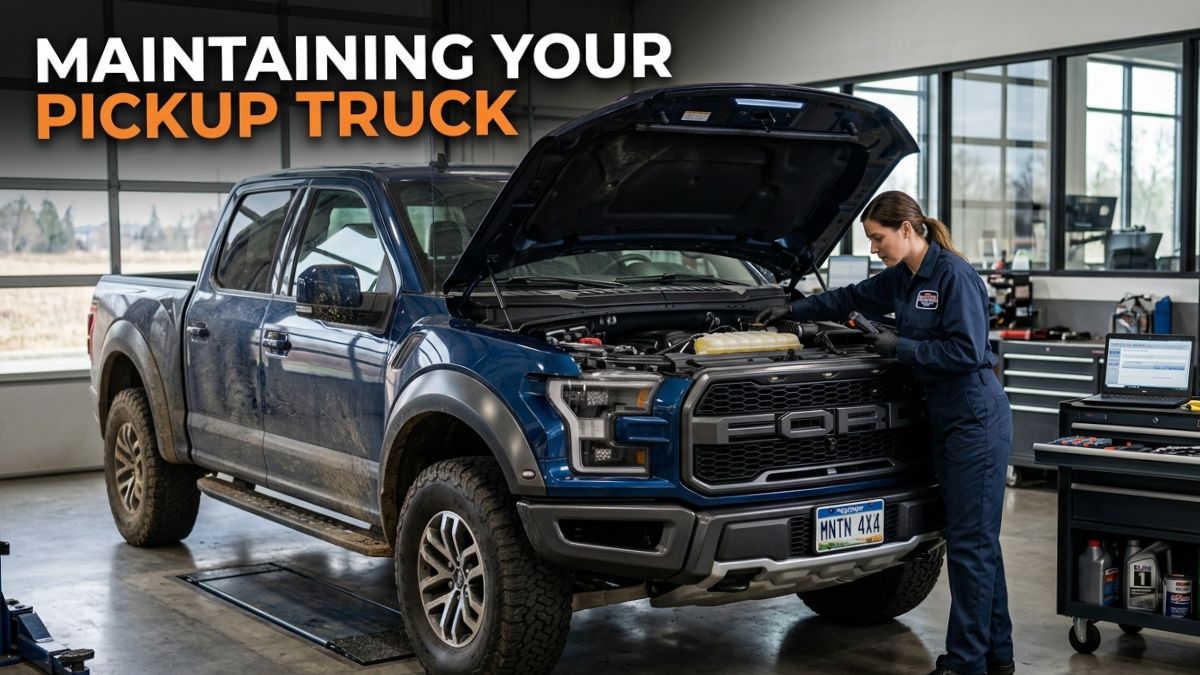
Maintaining your pickup truck is about more than preserving its looks. Timely care not only keeps your truck running efficiently but also extends its life and boosts safety on every journey. Whether your ride is new or you are browsing used pickups for sale, regular maintenance will keep your investment performing at its best while helping you avoid costly repairs down the road.
Consistent upkeep ensures that your pickup can handle heavy workloads, off-road adventures, and daily commutes with equal confidence. Implementing key routines preserves performance and gives you peace of mind every time you turn the key. For those who rely on their trucks for both work and play, following best practices is essential for reliability and safety.
Adopting these care habits also increases resale value and reduces the risk of breakdowns. Unlike some vehicles that may get by with minimal attention, pickups work hard and need a diligent maintenance schedule. This comprehensive guide will walk you through the most important practices to maximize both the longevity and utility of your pickup.
Regular Oil Changes
Fresh oil is essential for any engine. For pickup trucks that often face tough driving conditions or tow heavy loads, sticking to the manufacturer’s oil change intervals is especially important. Oil lubricates your engine’s moving parts, reduces friction, clears away debris, and helps with cooling. Skipping oil changes leads to increased engine wear, higher operating temperatures, and potentially catastrophic engine damage. For more on why clean oil matters, you can read this Consumer Reports guide on car maintenance.
Tire Maintenance
Properly maintained tires provide safety and maximize fuel efficiency. Make a habit of checking tire pressure at least once a month and before long trips. Use the recommended PSI levels found in your owner’s manual. Rotate your tires every 5,000 to 7,000 miles to ensure even wear, and inspect the tread depth to avoid the risks of bald tires. You can find more helpful information on tire safety from the National Highway Traffic Safety Administration (NHTSA).
Brake System Checks
The brake system is one of the most critical safety components on your truck. Listen for squealing or grinding noises, which may signal worn brake pads or rotors. Test your brake responsiveness regularly and pay attention to any vibration or pulling. Keep an eye on brake fluid levels and top off when needed. Have a trusted mechanic check your brakes at least once a year or if you notice unusual behavior when stopping.
Fluid Level Inspections
Fluids play a major role in your truck’s longevity. Besides engine oil and brake fluid, regularly inspect and top off coolant, transmission fluid, power steering fluid, and windshield washer fluid. Each fluid serves a unique purpose, from regulating engine temperature to ensuring smooth gear shifts and optimal visibility. Neglecting any of these fluids can result in costly consequences and mechanical failures.
Battery Care
A reliable battery keeps your truck ready to go whenever you need it. Inspect the battery terminals for corrosion or build-up, ensure cable connections are secure, and test the battery’s charge every few months, particularly before winter. If your truck struggles to start or you notice dimming lights, have the battery tested without delay. Regular battery care avoids being stranded and extends the life of the charging system.
Cleaning and Rust Prevention
Routine cleaning goes beyond basic appearance. Regularly wash your pickup, especially the undercarriage, to remove built-up dirt, salt, and debris that can accelerate rust. Applying a coat of wax helps protect the paint and may minimize minor scratches. For trucks in snowy or coastal regions, consider rust-proofing options to protect metal components and suspension parts from corrosion.
Suspension and Alignment
Your suspension system absorbs bumps and keeps your tires in contact with the road. If you hear clunking noises, feel excessive bouncing, or notice uneven tire wear, it’s time for an inspection. Maintain an annual schedule for checking suspension components and wheel alignment. Proper alignment ensures even tire wear and optimal handling, while suspension maintenance promotes a smoother ride and better control.
Light and Electrical System Checks
Functioning lights keep you visible and safe. Test your headlights, brake lights, turn signals, and hazard lights regularly, replacing bulbs as needed. Pay attention to dashboard warning lights and address electrical system issues promptly to avoid problems with starting or accessories. Regular inspections prevent dangerous situations and keep your truck compliant with road safety laws.
By adopting these maintenance best practices, you safeguard your investment, improve safety for yourself and others, and ensure your pickup truck continues to perform at its peak for many miles to come. For additional tips and more truck-specific advice, you can check the Carfax Maintenance Schedule resource.