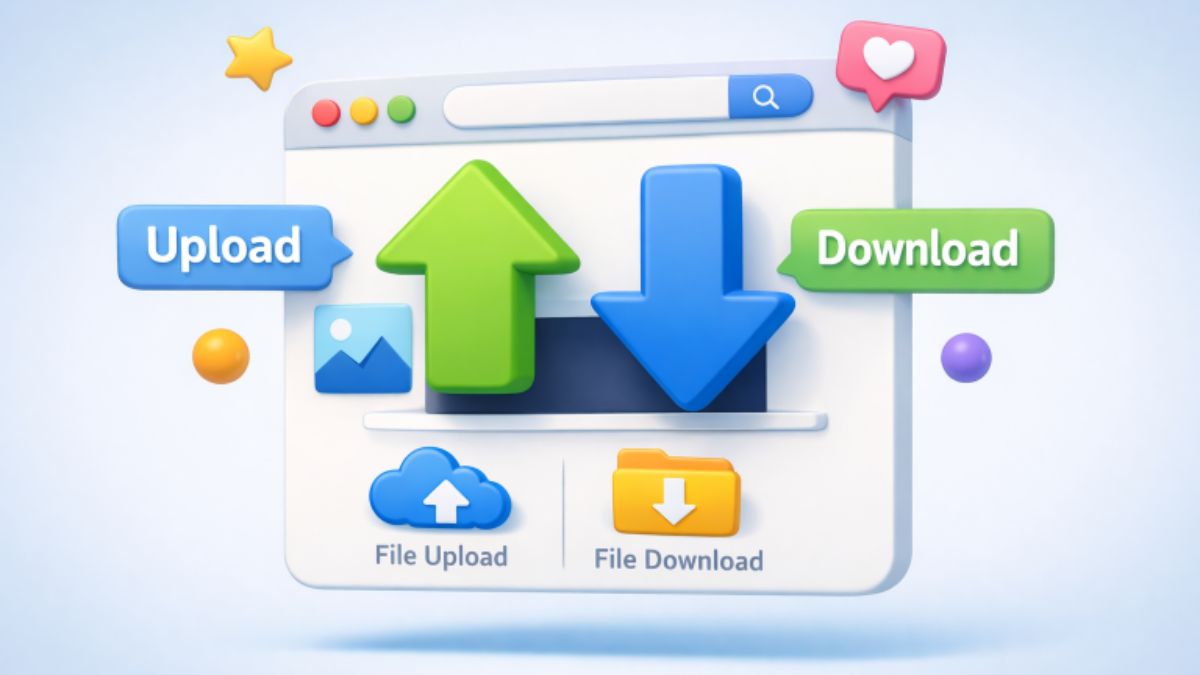
With the rapid pace of digital innovation, web upload and download interfaces are becoming more refined and user-focused than ever before. Web designers and developers are embracing a new wave of trends that not only increase efficiency but also enhance the overall end-user experience. For anyone interested in creating or refining an upload design, understanding these evolving approaches is essential for keeping up with current expectations and maximizing engagement.
The modern web landscape emphasizes intuitive, streamlined processes while integrating sophisticated technologies and creative visuals. As demands for speed, personalization, and immersive interaction grow, both businesses and consumers benefit from fresh designs that meet their needs in practical and enjoyable ways.
Whether you are a designer planning your next project or a business looking to update your platform, staying informed about new trends can help you deliver best-in-class upload and download interfaces. This knowledge is critical for remaining competitive and responsive to shifting user behaviors across industries.
By adopting the most effective practices and technologies, businesses cannot only attract new users but also build loyalty among those they serve, improving outcomes across customer journeys and digital workflows alike.
AI-Driven Interfaces
Artificial Intelligence is fundamentally reshaping how users interact with digital platforms. AI-driven interfaces are not limited to chatbots but also include adaptive page layouts and real-time automation that personalize the upload and download experience. For example, by tracking user activity and preferences, an AI system can display the most relevant content or file destinations, anticipate needs, and speed up repetitive actions. This leads to increased user satisfaction and productivity by minimizing manual steps and reducing errors throughout the upload/download workflow.
Immersive 3D Experiences
The surge in web-based AR and VR technologies is creating new opportunities for immersive experiences in upload and download interfaces. Incorporating 3D product previews or spatial UIs not only grabs user attention but also supports better decision-making. For instance, e-commerce platforms now enable users to see, rotate, or even “place” virtual objects in their real-world environments before purchasing or downloading product files. Technologies like WebGL and AR/VR frameworks are making these features more accessible on mainstream websites, enhancing both engagement and utility.
Micro Animations
Micro animations, subtle, short animations designed to offer continuous visual feedback, not only make web interfaces more lively but also more intelligible. They help guide user attention, indicate successful uploads or downloads, and provide visual cues about loading status or interactivity. Effective micro animations strike a balance by making interfaces feel smoother without distracting from the primary content or actions. As users increasingly expect polished, interactive experiences, the strategic deployment of micro animations is integral to modern web design.
Conversational User Interfaces
Conversational UIs are shifting the paradigm from point-and-click interactions to more natural, dialogue-driven experiences. Featuring chatbots, virtual assistants, and voice-driven processes, these interfaces simplify complex tasks, such as uploading or downloading files, by allowing users to ask questions or issue commands in natural language. This trend is not only convenient for users who prefer hands-free or guided navigation but also supports accessibility, making web platforms more inclusive.
Hyper-Personalization
As data analytics becomes more robust, web interfaces can tailor experiences to each user’s preferences, history, and behavior. Hyper-personalization involves dynamic layouts that adapt in real time, personalized content recommendations, and even unique file management tools tailored to observed interactions. By fostering a sense of individual attention, hyper-personalization increases engagement and helps users accomplish upload or download goals faster and with greater satisfaction.
Performance Optimization
Speed and efficiency remain central to user retention. Users expect fast uploads and downloads regardless of file size or connection type. Techniques like lazy loading ensure that resources are only loaded when needed, while compressing files and optimizing code minimize lag. Minimalist layouts with clear pathways and sufficient white space improve navigation, helping users complete tasks without confusion or delay. Ensuring interfaces are responsive across all devices further boosts usability and customer satisfaction.
Asymmetrical Layouts
Modern web design is moving away from rigid grids and embracing asymmetrical layouts to create visual interest and draw attention to key features. By breaking up the monotony of uniform rectangle blocks, designers can highlight essential upload or download processes and guide the user’s journey more effectively. When executed with purpose, asymmetrical designs can deliver a memorable experience without sacrificing clarity or accessibility.
Bold Typography
Typography in web interfaces is no longer just about readability; it is also about making a statement. Bold, distinctive typography helps draw users’ eyes to critical actions such as upload or download buttons, headlines, or calls to action. The smartest use of large, expressive fonts ensures key points are noticed, making the entire interface clearer and easier to navigate, especially during complex or multi-step workflows.
Conclusion
The evolution of web upload and download interfaces reflects broader shifts across digital design, technology, and user expectations. From AI personalization to 3D visualization and conversational UIs, innovators are setting new standards for engagement, efficiency, and accessibility. By understanding and implementing these trends, developers and businesses are better equipped to meet the growing demands and deliver intuitive, powerful online experiences.