Architecture is a profession that produces extraordinarily complex deliverables on long timelines with multiple stakeholders, shifting requirements, and significant legal exposure at every phase. A residential project running eighteen months involves a client with evolving expectations. A contractor with their own timeline pressures, a municipality with permit requirements, and consultants with their own deliverables. And a fee structure that needs to be tracked carefully across all of it. Managing this through generic project management software is the norm in most small architecture firms, and most principals in those firms will tell you it works well enough while quietly absorbing the friction it creates every week. The project management platforms that exist for general use were not designed for the specific phase structure of architectural projects, the specific documentation requirements of construction administration, or the specific way that scope changes and fee adjustments flow through a design project.
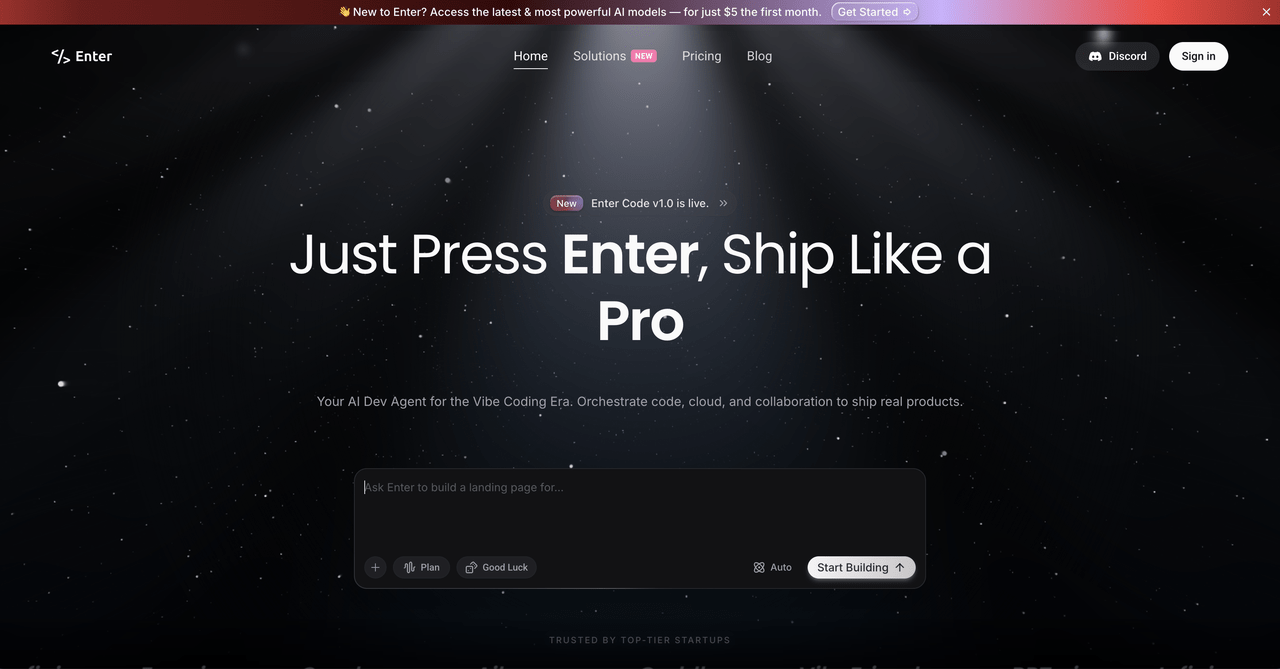
Enter Pro is a platform that forward-thinking firms are beginning to use, not to subscribe to yet another tool, but to build their own. Enter Pro is a full development environment designed to make custom software accessible to professionals who are not programmers. It handles database configuration, server setup, and deployment, leaving the architect to focus entirely on designing a system that reflects how architectural projects are actually managed. For firms where project profitability depends heavily on how well time and scope are tracked, software that fits the actual project structure is a genuine operational advantage.
Architecture projects move through phases that are specific to the discipline: schematic design, design development, construction documents, bidding and negotiation, and construction administration. Each phase has different deliverables, different team compositions, different client communication patterns, and different fee structures. Generic project management tools treat phases as custom stages to be manually configured rather than as a built-in structure that the tool understands natively. The result is that firms spend time configuring generic tools to approximate a phase structure rather than just working within a system that already understands how architectural projects are organized.
Fee Management and Scope Creep
Fee management in architecture is complicated by the relationship between the original scope and the inevitable evolution of that scope over the course of a project. Clients make changes. Municipalities require revisions. Contractors raise questions during construction that require additional design work. Each of these has implications for the firm’s fee and for the project’s profitability.
Tracking scope changes and their fee implications through a generic project management tool requires manual work that most firms either do not do consistently or do only at the end of a project when the damage to profitability has already occurred. A custom fee management system built into a project tracking tool can flag when work is being performed outside the original scope, calculate the fee adjustment that would apply, and generate the documentation needed for a change order discussion with the client before the work has been absorbed without compensation.
Using an AI code generator through Enter Pro, a firm principal can build exactly this kind of system. The phase structure reflects actual architectural project phases. The fee tracking reflects how this firm actually structures its fee arrangements. The scope change workflow reflects how this firm manages client conversations about additional services. Enter Pro handles the technical complexity so the architect is building the system they need rather than learning database design.