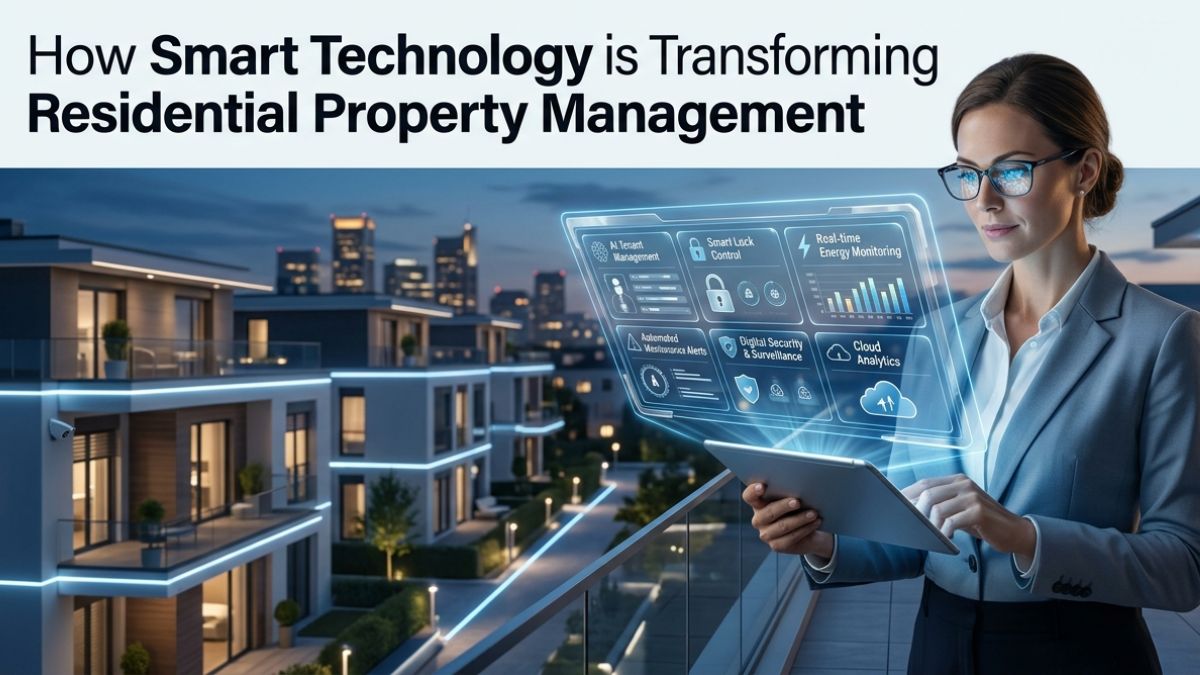
In the rapidly evolving landscape of residential real estate, smart technology has become a game-changer for both property managers and tenants. From digital keyless entry to predictive maintenance and energy management, these tools are redefining what it means to manage and reside in modern living spaces. For investors seeking to elevate their rental portfolio, embracing property management services for real estate investors that leverage smart technology is quickly becoming the standard, not the exception. As innovative solutions streamline processes and enhance resident satisfaction, smart technology continues to set new benchmarks in the property management industry.
With these advancements, managers can reduce operational costs and improve efficiency, while tenants enjoy greater convenience and comfort. Smart home devices, AI-powered management platforms, and data analytics are all pieces of this technological puzzle. As the adoption curve accelerates, staying current has become crucial for both property owners and professionals seeking to maximize value and appeal in a competitive market.
Enhancing Tenant Experience
Today’s tenants expect more than just four walls and a roof. With the rise of smart home features like app-controlled climate systems, smart locks, and remote lighting, residents receive tangible value in the form of convenience and security right as they walk through the door. Smart technology enables quick access with keyless entry, personalized temperature settings, and even package management systems that prevent lost deliveries. These upgrades not only delight tenants but also help property owners stand out in a crowded rental market.
Streamlining Operations
Automation is revolutionizing daily property management. By implementing AI-driven tools for lease processing, rent payment management, and automated communications, managers can significantly reduce administrative burdens. Chatbots, virtual leasing agents, and automated billing have become the norm, freeing up staff time to focus on value-added tasks and improving service. The result is better responsiveness, reduced human error, and a more seamless rental experience for all parties.
Predictive Maintenance
Internet of Things (IoT) sensors continuously monitor essential building systems such as HVAC, water heaters, and elevators. This real-time vigilance allows property managers to detect irregularities before they escalate into costly emergency repairs. Predictive maintenance not only minimizes unexpected breakdowns but also helps extend the lifespan of vital property assets. A proactive approach to repairs results in long-term cost reductions and fewer disruptions for residents.
Energy Management
Smart thermostats, occupancy sensors, and automated lighting are significantly reducing energy waste in multi-unit housing and single-family homes alike. By adjusting power and climate control based on real-time occupancy, property managers can ensure operational efficiency and boost sustainability efforts. Not only does this reduce operating expenses, but it also appeals to environmentally conscious tenants. According to Forbes, smart energy systems can lead to double-digit reductions in energy costs, making them a sharp investment for both profitability and stewardship.
Data-Driven Decision Making
Advanced analytics turbocharge property management by providing deep insights into market trends, tenant behaviors, and operational performance. Dashboards now display real-time occupancy rates, rent collection data, and maintenance records, empowering managers to make evidence-based decisions across pricing strategies and marketing campaigns. These insights are especially valuable for investors and operators aiming to scale their portfolios efficiently while maximizing returns.
Security Improvements
Modern security solutions go well beyond traditional locks and deadbolts. Smart security systems integrate cameras, motion sensors, and app-based alerts, enabling property managers and residents to monitor properties in real time. Advanced access control systems grant specific permissions and log who enters and exits common areas, further enhancing safety. Visible security investments can deter crime and build trust with tenants, contributing to higher retention rates.
Challenges and Considerations
Despite clear benefits, smart technology brings its own set of challenges. Crucial issues include data privacy, cybersecurity, and ensuring that all staff are properly trained on new systems. With growing digital connectivity, safeguarding sensitive information must be a top priority. Property managers should regularly review their cyber defenses and stay informed on regulatory requirements. Implementing technology without proper planning or staff buy-in can lead to costly mistakes, so a thoughtful, phased approach is essential.
Future Trends
The next chapter in property management is expected to feature even deeper adoption of artificial intelligence, machine learning, and sustainability-focused solutions. Developments such as advanced leasing automation, digital twin buildings, and blockchain-based leasing contracts are already emerging. Staying aware of these technologies and their potential impacts helps property managers stay competitive and responsive to emerging tenant needs. For a broader perspective on how AI is influencing property management practices, Forbes covers upcoming innovations and their real-world applications for industry professionals.
Smart technology is no longer an option but a necessity for property managers and real estate investors who want to thrive in an increasingly tech-savvy environment. Integrating these innovations leads to a superior living experience, streamlined operations, cost savings, and a sustainable edge in today’s dynamic market.