

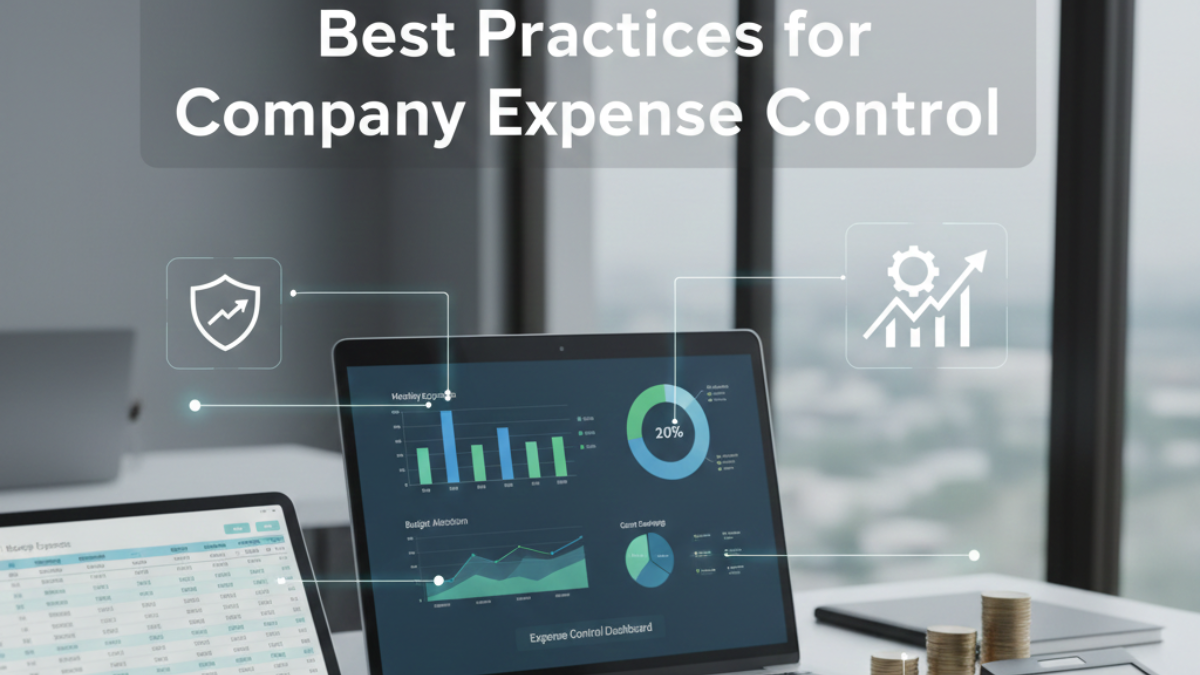
Effective expense management is essential for safeguarding a company’s financial well-being and ensuring that resources are directed where they are needed most. By implementing actionable strategies, businesses can take meaningful steps to control expenditures, minimize fraud risk, and maintain organizational transparency. Businesses looking to improve their processes can benefit from solutions designed for efficiency. Read me for more on modern expense management tools.
Companies of all sizes face mounting pressures to demonstrate fiscal responsibility, especially in today’s environment, where budgets are routinely scrutinized, and compliance is mandatory. Adopting cost-control best practices not only strengthens accountability but also bolsters employee and stakeholder confidence. These steps, from automated workflows to actionable analytics, provide reliable frameworks for enforcing corporate policies and identifying overspending early. The right tech platforms support these efforts, enabling real-time spending insights and faster reporting cycles. A proactive approach to expense controls fosters a culture of transparency and cost awareness.
Establish Clear Expense Policies
Every company needs a comprehensive expense policy as its foundation for financial discipline. Such a policy should specify what constitutes reimbursable expenses, spending caps for different categories (like travel or meals), and how approvals are handled. Explicit language is critical to ensure employees understand expectations and the consequences of improper expense filings. It is essential to frequently review and revise policies to reflect changes in business needs or regulatory environments, ensuring they always support both compliance and practicality. For in-depth guidance on policy creation and implementation, review expert insights at SHRM.
Automate Expense Management
Manual processes are not only labor-intensive, but they can also introduce costly errors or compliance risks. By replacing paper receipts and spreadsheets with automated expense management systems, companies can overcome common inefficiencies. These solutions centralize expense reports, streamline approval workflows, and facilitate real-time reimbursements, making the process faster and more reliable. Additionally, automation often includes built-in controls for policy enforcement and fraud prevention, giving finance teams greater confidence in the integrity of the process. The adoption of automation can lead to significant cost savings over time, as reported by Rho.
Conduct Regular Audits
Audits serve as an essential checkpoint to ensure compliance with company guidelines and to pinpoint irregularities or suspect transactions. Frequent, systematic audits, supported by digital audit tools, allow companies to catch fraudulent or duplicate expenses before they become a problem. Automated expense platforms can flag policy violations instantly, freeing accountants from tedious manual review. These audits also highlight opportunities to recover funds, adjust workflows, or reinforce training for employees who consistently make mistakes.
Utilize Corporate Credit Cards
Corporate credit cards are an efficient way to track company spending, set real-time controls, and simplify reconciliation. By issuing cards to employees with defined spending limits and policies, companies gain granular oversight of all expenses charged to the business. Centralizing expenses on corporate cards minimizes unauthorized purchases and optimizes rewards or rebates. Moreover, automatically uploading digital records improves transparency and the accuracy of expense analysis.
Provide Real-Time Visibility
Having immediate access to spending information allows managers to make informed decisions and correct course when necessary. Real-time dashboards can display expenses by category, project, or employee, helping pinpoint unusual trends and empower teams to adjust budgets proactively. With these tools, businesses can forecast more accurately, redistribute resources as needed, and avoid unpleasant surprises at the end of reporting cycles.
Implement Pre-Approval Processes
Pre-approval processes create a proactive safeguard by confirming that proposed expenses meet company policies and budget parameters before funds are committed. Requiring managerial authorization for specific purchases, vendor contracts, or travel plans reduces the likelihood of overspending, duplicate charges, or policy violations. This structured oversight improves financial discipline and reinforces accountability across teams. Additionally, when expenses are approved in advance, reimbursement is faster and simpler, as the documentation has already been reviewed. The result is a more efficient, transparent system that minimizes disputes and keeps financial operations running smoothly.
Train Employees on Expense Policies
Well-documented policies alone are not enough if employees neglect to follow them. Ongoing education about how to file expenses, what documentation is needed, and why compliance matters is paramount. Regular workshops or e-learning modules help prevent accidental errors and raise awareness about fraud deterrence. Additionally, open communication channels allow employees to clarify any doubts about procedures, eliminating confusion and fostering a culture of transparency.
Analyze Expense Data
Thorough analysis of expense data reveals company spending patterns, uncovers cost drivers, and identifies opportunities for efficiency gains. By leveraging analytics tools, finance leadership can compare spending with previous quarters, track progress toward goals, and identify areas ripe for vendor negotiation or consolidation. Ultimately, using advanced analysis helps organizations create a data-driven approach to expense management and continuous improvement.
By implementing these best practices for expense control, companies gain tighter command over their financial health, reduce waste, and empower teams to work more effectively within budgetary constraints.


