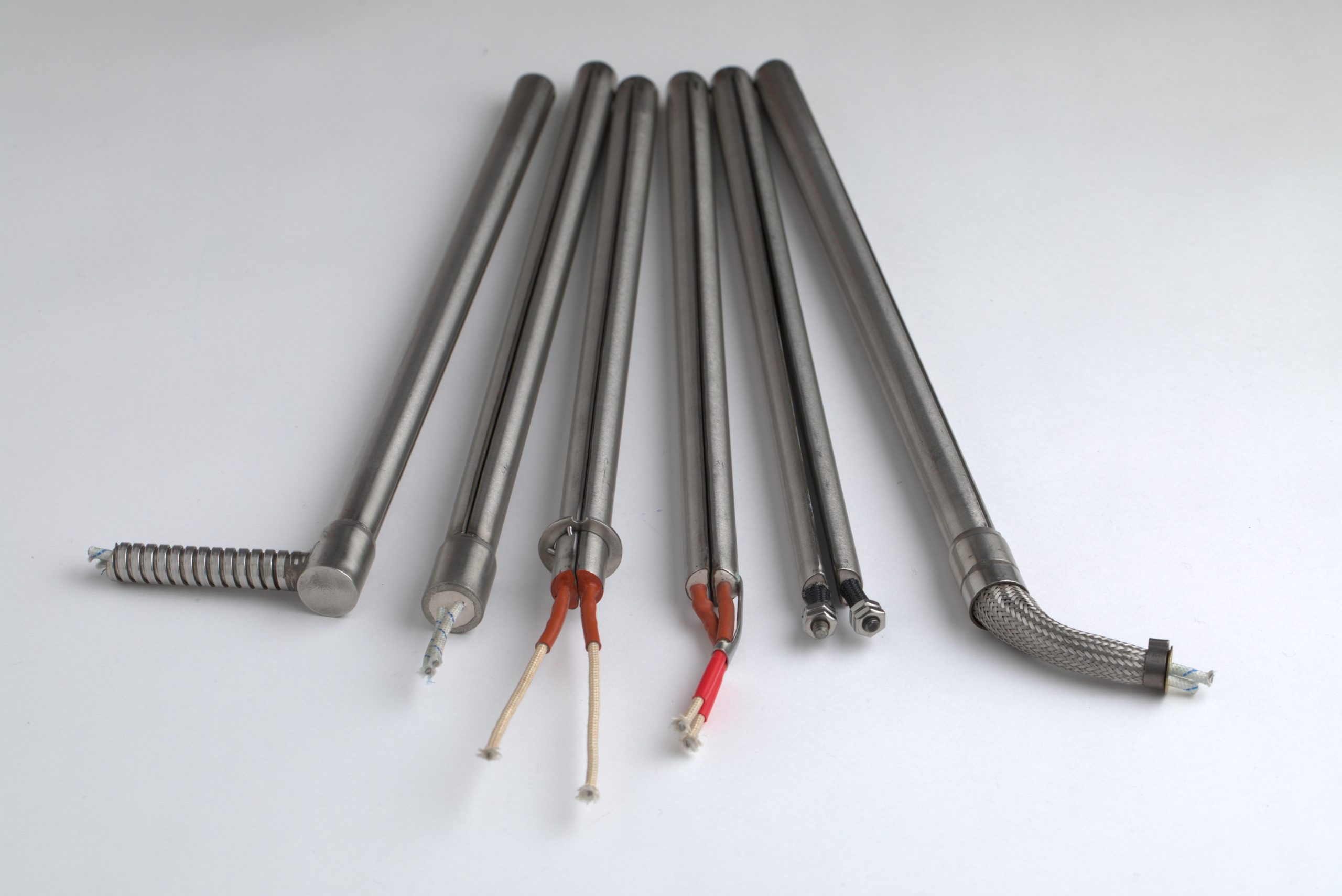
Industrial machines rarely fail without leaving behind a few breadcrumbs. Cartridge heaters, in particular, have a habit of giving off subtle—but revealing—signs before they give out completely. Understanding these early signals can save costly downtime and even extend the lifespan of your heating elements without a full teardown.
Uneven Bore Fit Indicated by Overheating and Wire Breakage
Cartridge heaters are designed to sit tightly inside a bore for optimal heat transfer. If that fit isn’t snug, you’re inviting problems. A loose bore fit can lead to hot spots, which in turn overwork the heating coil. Over time, this creates internal stress that causes wire breakage and erratic temperature spikes. Overheating in just one section of the heater is a typical result of uneven contact with the surrounding metal.
Operators may also notice signs of burnout on the heater sheath, especially near the midpoint. This is where thermal insulation suffers due to poor contact, leading to breakdown. Inconsistent heating performance, especially in critical applications like injection molds or sealing bars, is often traced back to this exact issue. Ensuring a proper bore fit not only improves performance but also prevents early failure of the entire unit.
Moisture Ingress Revealed Through Short Circuits and Coil Corrosion
It doesn’t take much moisture to compromise cartridge heaters. Water can creep in during cleaning cycles, through condensation, or even from humid environments. The internal insulation—typically magnesium oxide—acts like a sponge and absorbs moisture quickly. Once inside, the heater becomes prone to short circuits, and you’ll see blown fuses or tripped breakers.
Coil corrosion is another dead giveaway. If you cut open a failed heater and spot a greenish or dark powdery substance near the coil, moisture has likely infiltrated. This hidden damage is usually discovered only after the heater fails completely. Keeping equipment dry or using sealed or hermetically welded leads can help minimize this common and costly issue.
Excessive Watt Density Exposing Burned‑Out Heating Elements
Watt density isn’t just a number—it’s the difference between a heater that runs for years and one that gives out in weeks. High watt density can overwhelm the cartridge heater’s internal insulation and result in hotspots along the coil. This ultimately causes the heating element to break down from the inside out, leaving behind a charred or cracked core.
Signs show up quickly: the heater might hit temperature too fast, only to fail suddenly without warning. You may also notice surface discoloration or even bulging along the sheath. These are physical signs that the heat wasn’t being spread evenly, and the watt density was simply too much for the application. Matching the watt density to the heat transfer conditions is key to long-term performance.
Misapplied Voltage Evident in Rapid Heater Burnout
It happens more often than people think—plugging a 240V heater into a 480V circuit by mistake. The damage is swift and typically severe. Overvoltage accelerates the oxidation and wear inside cartridge heaters, leading to rapid burnout. One telltale clue is a heater that fails almost immediately after installation, especially if it never even reached its intended temperature.
You might also find visible pitting or swelling in the heater body, a result of the intense thermal stress. Misapplied voltage can cook internal components in seconds. Always double-check voltage requirements before powering up, and if possible, label heaters and circuits clearly to avoid mix-ups during installation or maintenance.
Repeated Thermal Cycling Manifesting as Structural Heater Fatigue
Thermal cycling refers to the repeated heating and cooling of the cartridge heater. While it’s part of normal operation, too many cycles—especially at extreme temperatures—will eventually take a toll. Over time, internal expansion and contraction wear down the insulation and coil materials, resulting in electrical shorts or mechanical fatigue.
Look for small cracks in the sheath or signs of warping. These are symptoms of a heater that’s been through one too many heat cycles. For cartridge heaters used in operations with frequent on/off switching, choosing a heater with high thermal fatigue resistance can delay these issues significantly. Structural fatigue doesn’t show up overnight, but it leaves clear signs once it sets in.
Fraying Lead Wires From Movement Leading to Intermittent Failures
In high-movement or vibration-heavy environments, the lead wires of cartridge heaters often get overlooked. But repeated movement—especially if the wires are unsupported—can lead to insulation wear and internal fraying. Over time, this results in intermittent heating issues, and eventually, complete lead failure.
One way to spot this early is by checking for discoloration at the lead junction or signs of burnt insulation. You might also feel an unexpected temperature drop or inconsistent heat delivery from the heater. Using flexible leads or strain relief can help reduce stress and increase the lifespan of heaters in mobile or high-vibration systems.
Contaminated Sheath Surfaces Foreshadowing Impending Heater Collapse
It’s easy to ignore a dirty heater sheath—until the buildup becomes a problem. Contaminants like oil, plastic residue, or metal dust on the sheath can cause surface degradation, hot spots, and even electrical tracking. This kind of contamination compromises heat transfer and adds strain to the heating coil.
Eventually, the sheath itself can corrode or split, leading to full cartridge heater failure. Before that happens, you’ll notice temperature inconsistencies or slow heat-up times. Regular cleaning and avoiding exposure to reactive chemicals go a long way. If contamination is unavoidable, consider sheath materials designed for harsh environments to keep your heaters running clean.