
Proper airflow is one of the most important factors in maintaining a comfortable and energy-efficient home. Many homeowners invest in modern HVAC systems, insulation, and smart thermostats but overlook one small component that can make a big difference: Vent Covers.
These simple yet essential components help regulate airflow, protect air ducts from debris, and enhance the appearance of your living spaces. Whether installed on floors, walls, or ceilings, the right vent cover can improve indoor air circulation, increase HVAC efficiency, and even upgrade your home’s interior design.
According to the U.S. Department of Energy, heating and cooling account for about 40–50% of a home’s total energy consumption. Poor airflow and blocked vents can reduce system efficiency and lead to higher energy bills. Choosing the right Vent Covers can help solve these issues by ensuring that air flows smoothly throughout your home.
This guide will explore the 10 best vent covers to improve airflow, explain how they work, and help you choose the perfect option for your home in 2026. You will also learn about materials, installation tips, maintenance strategies, and common mistakes to avoid.
Why Vent Covers Are Important for Home Airflow
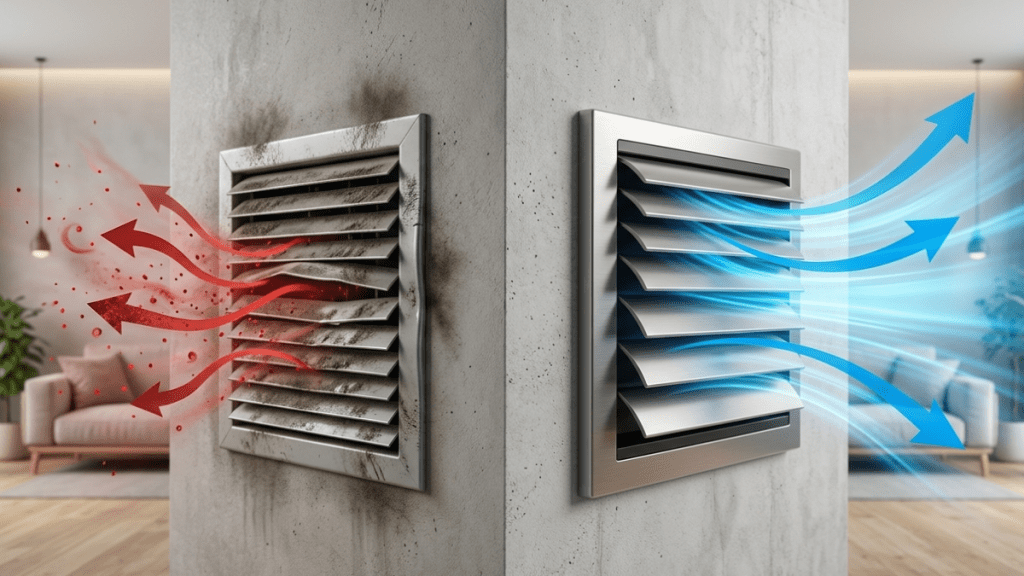
Many homeowners assume that air vents simply release air from the HVAC system. In reality, Vent Covers play a much larger role in maintaining balanced airflow and protecting ventilation systems.
First, they control the direction and volume of airflow in each room. Adjustable louvers allow you to direct warm or cool air where it is needed most. Second, they protect the duct system from dust, debris, and small objects that could block airflow.
Another important function is safety. Without proper Vent Covers, open ducts can become hazards for pets, children, or even furniture placement.
Research from HVAC maintenance companies shows that blocked or poorly designed air vents can reduce airflow efficiency by up to 25%, forcing heating and cooling systems to work harder.
How Vent Covers Improve HVAC Efficiency
A well-designed ventilation system relies on balanced air distribution. When airflow is uneven, some rooms become too hot or too cold.
Airflow Regulation
Quality Vent Covers help regulate airflow by distributing air evenly. Adjustable designs allow homeowners to increase or decrease airflow in specific rooms.
Energy Savings
When airflow is optimized, HVAC systems run more efficiently. This reduces energy consumption and lowers electricity bills.
Better Indoor Air Quality
Vent covers also prevent dust and allergens from entering the duct system. Cleaner airflow leads to healthier indoor environments.
Related keywords often associated with this topic include air vent covers, floor registers, HVAC vent covers, decorative vent covers, air vent grilles, metal vent covers, and magnetic vent covers.
Types of Vent Covers Used in Homes
Different areas of the home require different vent cover designs.
Floor Vent Covers
Floor vents are common in homes with central heating systems. These covers must be durable because they experience frequent foot traffic and furniture weight.
Wall Vent Covers
Wall vents are usually installed higher on the wall and are used for air supply or return airflow.
Ceiling Vent Covers
Ceiling vents are often used in modern HVAC systems to distribute cooled air evenly throughout rooms.
Choosing the correct type of Vent Covers ensures optimal airflow and long-term durability.
Materials Used in High-Quality Vent Covers
Vent covers are available in several materials, each offering different benefits.
Metal Vent Covers
Metal covers are extremely durable and resistant to wear. They are commonly used in high-traffic areas.
Wooden Vent Covers
Wooden covers provide a decorative look that blends with hardwood floors and traditional interiors.
Plastic Vent Covers
Plastic covers are lightweight, affordable, and resistant to moisture, making them ideal for bathrooms or kitchens.
Magnetic Vent Covers
Magnetic covers are designed to temporarily block airflow and redirect air to other rooms.
10 Best Vent Covers to Improve Airflow
1. Adjustable Metal Floor Registers
Adjustable metal floor registers are one of the most common and effective vent covers used in homes. They are usually made of steel or aluminum and include adjustable louvers that allow you to control airflow direction and volume.
These registers are typically installed in floor ducts where warm air rises naturally. The adjustable damper lets homeowners open or close the vent depending on the season or room temperature.
Why they improve airflow:
- Louvers direct air toward the center of the room
- Adjustable dampers regulate airflow
- Durable metal construction prevents bending
These Vent Covers are ideal for living rooms, bedrooms, and hallways where balanced airflow is important.
2. Decorative Cast Iron Vent Covers
Cast iron vent covers are known for their strength, durability, and decorative appeal. Many traditional homes prefer them because they combine functionality with elegant design.
Unlike thin metal vents, cast iron covers are heavy and resistant to damage from foot traffic or furniture. They are commonly used in older homes or spaces with classic interior designs.
Benefits:
- Extremely durable
- Adds a decorative element to floors or walls
- Resistant to rust and corrosion
According to HVAC experts, durable vent covers help maintain consistent airflow by preventing damage that could restrict air movement.
3. Magnetic Vent Covers
Magnetic vent covers are flexible sheets that attach directly to metal air vents. These Vent Covers are commonly used to temporarily block airflow in certain rooms.
For example, if a room is rarely used, a magnetic vent cover can redirect air to other areas of the home. This can help balance airflow and reduce energy waste.
Key advantages:
- Easy to install and remove
- Helps redirect airflow to frequently used rooms
- Improves heating efficiency
However, they should be used carefully because blocking too many vents can create pressure in the HVAC system.
4. Heavy-Duty Steel Vent Covers
Steel vent covers are designed for high-traffic areas where durability is important. These covers are often used in commercial spaces or busy households.
Steel is strong and resistant to wear, making it suitable for vents located in hallways, kitchens, or entryways.
Why they improve airflow:
- Strong structure prevents bending of louvers
- Maintains proper airflow direction
- Long lifespan with minimal maintenance
Because steel vent covers maintain their shape over time, airflow remains consistent and unrestricted.
5. Modern Aluminum Vent Covers
Aluminum vent covers are becoming increasingly popular in modern homes. They are lightweight, corrosion-resistant, and ideal for humid environments like bathrooms or kitchens.
Unlike steel, aluminum does not rust easily, which makes it a reliable long-term option.
Advantages:
- Lightweight yet durable
- Resistant to corrosion and moisture
- Sleek modern appearance
Many high-end HVAC systems use aluminum registers because they provide excellent airflow with minimal resistance.
6. Wooden Decorative Vent Covers
Wood vent covers are designed to match hardwood floors or traditional interior designs. These covers are often custom-made to blend seamlessly with flooring.
Although wood is visually appealing, it must be designed carefully because thicker materials can sometimes restrict airflow if the openings are too small.
Best uses:
- Luxury homes with hardwood flooring
- Decorative interior design
- Custom architectural projects
These Vent Covers focus more on aesthetics while still allowing air circulation.
7. High-Airflow Linear Vent Covers
Linear vent covers are modern designs with long, narrow openings that allow large amounts of air to pass through. They are commonly used in modern architecture and commercial buildings.
The design improves airflow because the vents have a larger open area for air movement.
Key benefits:
- High airflow capacity
- Modern, minimalist appearance
- Ideal for large rooms or open floor plans
Experts explain that the amount of open area in a vent cover directly affects airflow efficiency, so designs with wider openings generally perform better.
8. Smart Vent Covers
Smart vent covers are part of modern smart home systems. These vents automatically adjust airflow using sensors and smartphone apps.
For example, if a room becomes too warm or too cold, the smart vent can open or close automatically to balance the temperature.
Features include:
- Automatic airflow control
- Smart thermostat integration
- Energy-saving capabilities
These high-tech Vent Covers are becoming popular in homes that use smart HVAC systems.
9. Low-Profile Vent Covers
Low-profile vent covers are designed to sit flush with the floor or wall surface. This design makes them safer and more visually appealing.
They are commonly used in modern homes where minimalistic design is important.
Advantages:
- Reduced tripping hazards
- Sleek and modern appearance
- Smooth airflow distribution
Low-profile covers are particularly useful in living rooms and open spaces where standard vents might be noticeable.
10. Custom Vent Covers
Custom vent covers allow homeowners to choose unique designs, materials, and sizes to match their interior style.
These covers are often laser-cut or handcrafted to match flooring patterns or architectural elements.
Benefits include:
- Perfect fit for unusual vent sizes
- Personalized design
- Integration with interior décor
However, experts recommend choosing designs with sufficient open space to avoid restricting airflow.
How to Choose the Right Vent Covers
Selecting the best Vent Covers requires careful consideration of several factors.
Measure Vent Size Correctly
Always measure the duct opening rather than the old cover. Incorrect sizing can restrict airflow.
Consider Airflow Needs
Rooms that receive too little airflow may require high-flow vent designs.
Match Interior Design
Decorative vent covers can enhance the appearance of floors, walls, or ceilings.
Installation Tips for Vent Covers

Installing vent covers is usually simple and requires minimal tools.
- First, remove the existing cover and clean the duct opening. Dust buildup can reduce airflow efficiency.
- Next, align the new cover with the duct opening and secure it using screws or clips.
- Finally, adjust the louvers to direct airflow toward the center of the room.
- Proper installation ensures that Vent Covers function effectively.
Maintenance and Cleaning
Like any home component, vent covers require regular maintenance.
Routine Cleaning
Dust and debris can accumulate on vent covers over time. Vacuuming or wiping them monthly helps maintain airflow.
Inspect for Damage
Cracked or bent covers should be replaced to avoid airflow restrictions.
Check Airflow Direction
Occasionally adjusting the louvers ensures balanced airflow throughout the home.
Maintaining Vent Covers properly can significantly improve HVAC performance.
Real-Life Example: How Vent Covers Improved Home Comfort
A homeowner in Texas noticed uneven temperatures throughout the house. Some rooms felt too warm, while others remained cold.
After an HVAC inspection, technicians discovered that several vents were partially blocked and outdated.
The homeowner replaced them with high-flow Vent Covers and magnetic vents in unused rooms. Within weeks, airflow improved significantly, and monthly energy bills decreased by around 12%.
This example shows how a simple upgrade can improve comfort and efficiency.
Common Mistakes to Avoid
Many homeowners unintentionally reduce airflow by making simple mistakes.
Blocking Vents with Furniture
Placing furniture directly over vent covers prevents proper airflow.
Closing Too Many Vents
Closing multiple vents can increase pressure in the duct system and reduce efficiency.
Using Incorrect Sizes
Improperly sized Vent Covers can restrict airflow and cause HVAC systems to work harder.
Avoiding these mistakes helps maintain healthy airflow.
Future Trends in Vent Covers
The ventilation industry is evolving with new technologies and design trends.
Smart Vent Systems
Smart vents automatically adjust airflow based on room temperature and occupancy.
Energy-Efficient Designs
New airflow designs maximize ventilation while reducing energy loss.
Decorative Custom Designs
Homeowners are increasingly choosing Vent Covers that complement interior design styles.
These innovations are expected to shape home ventilation solutions in the coming years.
Conclusion
Ventilation plays a critical role in maintaining a comfortable, healthy, and energy-efficient home. While HVAC systems often receive the most attention, smaller components like Vent Covers can have a significant impact on airflow performance.
The right vent cover helps regulate airflow, protect duct systems, improve indoor air quality, and enhance interior design. Whether you choose metal floor registers, decorative cast iron designs, or modern smart vents, selecting the correct option ensures better air distribution throughout your home.
Regular cleaning, proper installation, and careful vent placement can further maximize the benefits of Vent Covers. By upgrading outdated vents and choosing high-quality designs, homeowners can improve comfort and reduce energy costs.
If you are planning to improve your home’s ventilation system in 2026, start by evaluating your current vents and consider upgrading to modern vent covers designed for better airflow and efficiency.
Frequently Asked Questions (FAQs)
1. What are vent covers used for?
Vent Covers are used to protect air vents and control airflow in heating and cooling systems. They sit over duct openings on floors, walls, or ceilings and help distribute air evenly throughout a home. In addition to improving airflow, they also prevent dust, debris, and small objects from entering the duct system.
2. Do vent covers improve airflow in a home?
Yes, properly designed Vent Covers can improve airflow by directing air into the room more efficiently. Adjustable louvers allow homeowners to control the direction and strength of airflow, which helps maintain balanced temperatures throughout the house.
3. What is the difference between a vent cover and a vent register?
A vent register is a type of vent cover that includes adjustable louvers to control airflow. A vent grille, on the other hand, is a fixed cover that does not allow airflow adjustment. Both serve as protective covers for HVAC vents, but registers provide more control over air distribution.
4. How often should vent covers be cleaned?
Vent covers should be cleaned at least once every one to three months depending on the level of dust in your home. Regular cleaning prevents airflow blockage and helps maintain good indoor air quality.
5. What materials are best for vent covers?
The best material depends on your needs and location in the home. Metal vent covers are durable and long-lasting, wooden covers offer decorative appeal, and plastic covers are lightweight and moisture resistant. Each option can work well when chosen correctly for the room.